
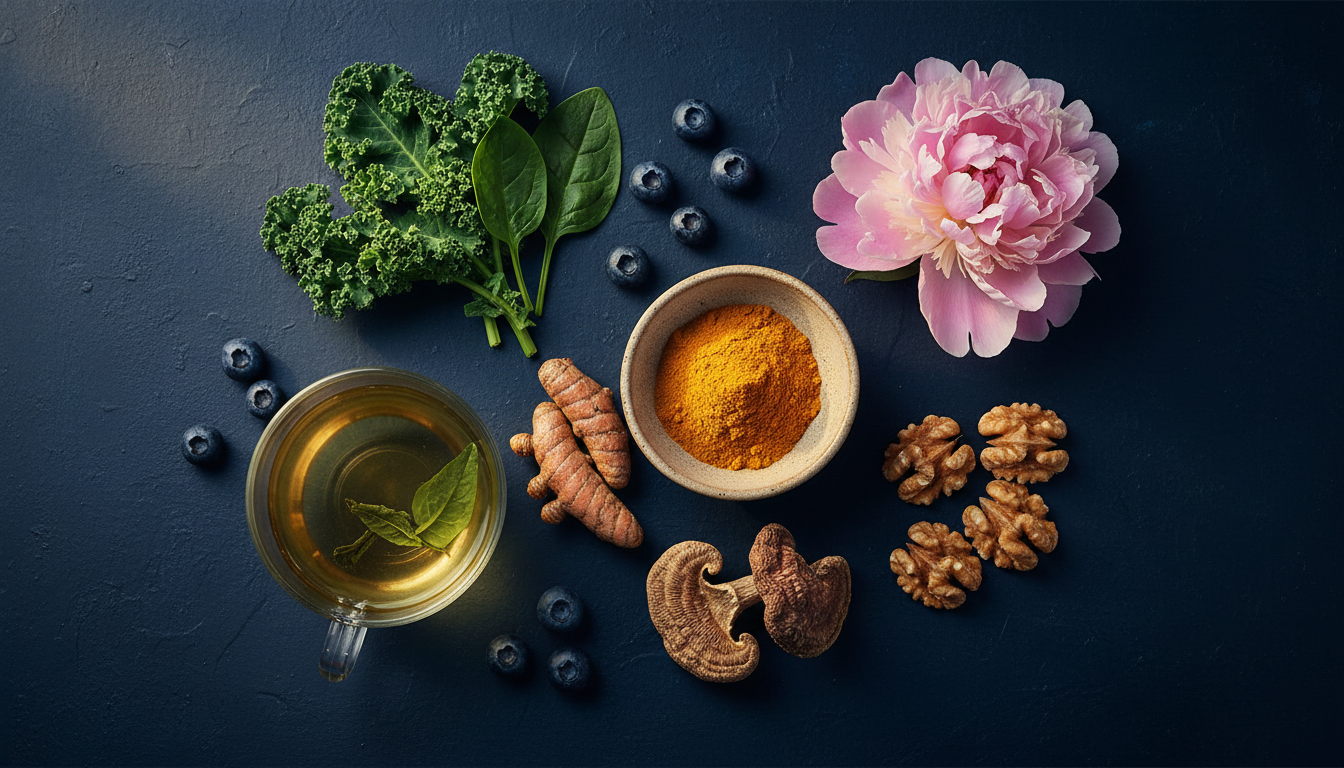
Integrative treatment for breast cancer means adding evidence-informed approaches to standard care, not replacing it. Surgery, radiation, hormone therapy, chemotherapy and targeted drugs remain the foundation. Around them, a growing body of research shows that what happens between treatments, including what a woman eats, when she eats, how much she moves, and which complementary therapies she uses, can affect how well treatment works and how she feels during it. This article reviews the approaches with real human evidence, including several randomized trials from Europe.
Part of our guide: Integrative Cancer Treatment Options: What the Research Shows
Fasting Around Chemotherapy: The Dutch DIRECT Trial
Laboratory research suggests that short-term fasting protects healthy cells from chemotherapy while leaving cancer cells more vulnerable. The DIRECT trial, led from Leiden University Medical Center by the Dutch Breast Cancer Research Group, tested this in women. It randomly assigned 131 women with HER2-negative stage II or III breast cancer to a fasting mimicking diet, a very low-calorie, plant-based diet for the three days before and the day of each chemotherapy cycle, or to their regular diet.
Women on the fasting mimicking diet were about three times as likely to have a complete or partial response on imaging, and in those who followed the diet as planned, a near-complete pathological response, with 90 to 100 percent of tumor cells gone at surgery, was about four times as likely. Their immune T cells also showed less chemotherapy-induced DNA damage. The diet did not reduce side effects overall, and it did not increase the rate of complete pathological response.1 The trial excluded women with diabetes or low body weight, and fasting is not appropriate for anyone who is losing weight unintentionally.
Diet and Body Weight
In the Women’s Intervention Nutrition Study, women with early breast cancer who were assigned to a low-fat diet had fewer recurrences than those eating their usual diet, with the clearest benefit in hormone receptor-negative cancers.2 High insulin levels and excess body weight are linked to worse breast cancer outcomes, which is why metabolic approaches that lower insulin draw interest. See our articles on the ketogenic diet and metformin.
Exercise
Across large observational studies, women who are more physically active after a breast cancer diagnosis have a lower risk of dying from breast cancer and from any cause.3 Exercise also reduces fatigue, protects muscle and bone during hormone therapy, and lowers insulin. It is among the most consistently supported things a woman can do for herself.
Acupuncture for Hormone-Therapy Joint Pain
Aromatase inhibitors, a mainstay of hormone therapy, cause joint pain severe enough that many women stop taking them, which raises the risk of recurrence. In a randomized trial published in JAMA, true acupuncture reduced this joint pain more than sham acupuncture or no acupuncture.4
Facing breast cancer? We can help.
With nearly 50 years of experience, Dr. Silver, MD, explains conventional and integrative options, so you can make informed decisions with your treating team.
REQUEST A CONSULTATIONCurcumin With Chemotherapy
Curcumin, the active compound in turmeric, is poorly absorbed by mouth. In a randomized, double-blind, placebo-controlled trial in Armenia, women with advanced metastatic breast cancer received paclitaxel with either intravenous curcumin or placebo. Those receiving curcumin had a higher response rate and less fatigue.5
Mistletoe and Intravenous Vitamin C
In Germany, both are widely used alongside breast cancer treatment, mainly for quality of life. A German multicenter study found that women receiving intravenous vitamin C reported fewer treatment-related complaints such as nausea, loss of appetite and fatigue. See our articles on mistletoe therapy and high-dose IV vitamin C.
Repurposed Drugs: Where Breast Cancer Stands
Metformin did not improve outcomes overall in the large MA.32 trial in early breast cancer, though an exploratory analysis suggested benefit in HER2-positive disease.
Aspirin roughly halved recurrence in colorectal cancers with PI3K pathway changes in a 2025 Nordic trial, but in the American ABC trial in HER2-negative breast cancer, aspirin did not reduce recurrence.6 This is a reminder that results in one cancer do not automatically carry over to another.
See our guide to repurposed drugs for cancer.
Monitoring With Blood Tests
Breast cancer is the cancer in which circulating tumor cells have been studied most. In the German SUCCESS trial, tumor cells in the blood after surgery predicted recurrence, and in the German DETECT III trial, finding HER2 on circulating cells in HER2-negative metastatic breast cancer led to a treatment that improved survival. In hormone receptor-positive breast cancer, the SERENA-6 trial showed that switching treatment when a resistance mutation appeared in a ctDNA blood test extended disease control. See our articles on circulating tumor cell testing, ctDNA and cancer testing in Germany and Greece.
Coming Soon: The New Reality of Breast Cancer
Cancer Expert MD provides education and consultation for people with every type and stage of cancer, and specializes in Stage IV and metastatic cancer. Our companion book, The New Reality of Breast Cancer: The Science of Recovery, is coming soon and covers every type of breast cancer, from prevention and screening to testing, treatment and recovery. Learn more on our book page, and read our article on triple-negative breast cancer treatment.
Frequently Asked Questions
What is integrative treatment for breast cancer?
The use of evidence-informed approaches such as diet, fasting, exercise, acupuncture and selected natural compounds alongside standard breast cancer treatment, never instead of it.
Does fasting help chemotherapy work for breast cancer?
In the Dutch DIRECT trial, a fasting mimicking diet around chemotherapy improved tumor response on imaging and at surgery, but did not reduce side effects overall. It is not appropriate for women who are losing weight or have diabetes without careful supervision.
Does exercise help after breast cancer?
Yes. Large studies link physical activity after diagnosis with lower risk of dying from breast cancer, and exercise reduces fatigue and protects muscle and bone.
Does acupuncture help aromatase inhibitor joint pain?
Yes. In a randomized trial, true acupuncture reduced aromatase inhibitor-related joint pain more than sham acupuncture or no acupuncture.

About the author. Dr. Silver, MD, graduated from Temple University School of Medicine, completed fellowship training in cardiology, and has practiced medicine for nearly fifty years. A lymphoma survivor of about twenty-five years, he is co-author, with Dr. Lindmeier, DHSc, of The New Reality of Cancer: The Science of Recovery. Read more about Dr. Silver, MD.
Research by Dr. Lindmeier, DHSc, cancer educator and co-author of The New Reality of Cancer.
This article is for general education only and is not individual medical advice. Always consult your own doctor before making any changes to your care.
© 2026 Lovely LYF LLC. All rights reserved. This article draws on the research in The New Reality of Cancer and may not be copied, republished or distributed without written permission.
For more in-depth information on this topic and many others, get our book, The New Reality of Cancer: The Science of Recovery.
Explore our guides: Stage 4 Cancer Options · Advanced Cancer Testing · Integrative Cancer Treatment Options · Natural Compounds and Cancer · Repurposed Drugs for Cancer · Cancer Treatment by Type
More articles on breast cancer, integrative cancer treatments and all articles.
References
- de Groot S, Lugtenberg RT, Cohen D, et al. Fasting mimicking diet as an adjunct to neoadjuvant chemotherapy for breast cancer in the multicentre randomized phase 2 DIRECT trial. Nature Communications. 2020;11(1):3083.
- Chlebowski RT, Blackburn GL, Thomson CA, et al. Dietary fat reduction and breast cancer outcome: interim efficacy results from the Women’s Intervention Nutrition Study. Journal of the National Cancer Institute. 2006;98(24):1767–1776.
- Ibrahim EM, Al-Homaidh A. Physical activity and survival after breast cancer diagnosis: meta-analysis of published studies. Medical Oncology. 2011;28(3):753–765.
- Hershman DL, Unger JM, Greenlee H, et al. Effect of acupuncture vs sham acupuncture or waitlist control on joint pain related to aromatase inhibitors among women with early-stage breast cancer: a randomized clinical trial. JAMA. 2018;320(2):167–176.
- Saghatelyan T, Tananyan A, Janoyan N, et al. Efficacy and safety of curcumin in combination with paclitaxel in patients with advanced, metastatic breast cancer: a comparative, randomized, double-blind, placebo-controlled clinical trial. Phytomedicine. 2020;70:153218.
- Chen WY, Ballman KV, Partridge AH, et al. Aspirin vs placebo as adjuvant therapy for breast cancer: the Alliance A011502 randomized trial. JAMA. 2024;331(20):1714–1721.
This article is for education only. It is not medical advice and does not diagnose or treat any condition. Cancer Expert MD has no financial relationship with any laboratory, drug maker, supplement company, clinic or hospital.
Responses