
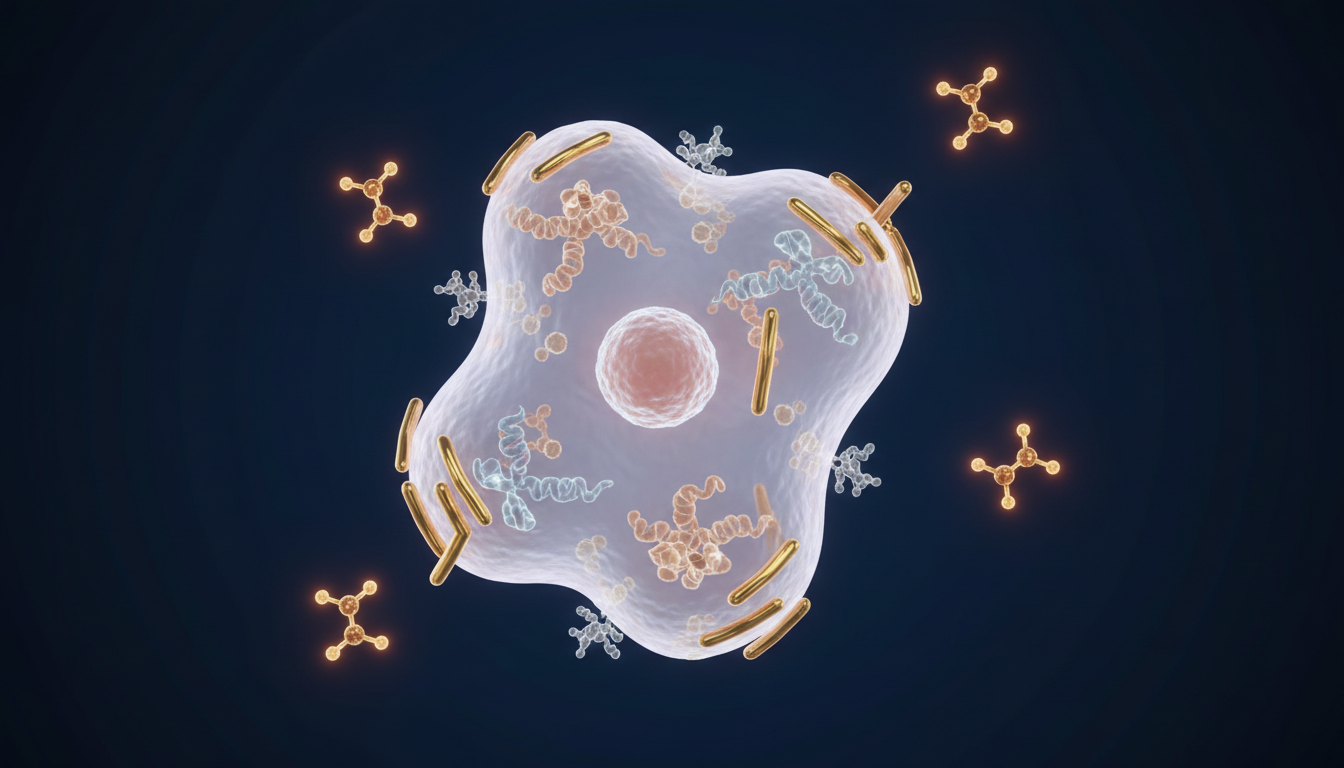
About 70 percent of breast cancers are hormone receptor-positive and HER2-negative: their growth is driven by estrogen, and in many cases progesterone. This is the most common and often the most treatable type of breast cancer, but it has a distinctive challenge. It can return many years after treatment, and in advanced disease it eventually learns to grow despite hormone therapy. The years 2025 and 2026 brought several important advances on both fronts. This article explains how hormone receptor-positive breast cancer is treated today and what the newest trials show.
Early-Stage Disease
Hormone therapy is the foundation. After surgery, most women take tamoxifen or an aromatase inhibitor for five to ten years to block estrogen’s effect on any remaining cancer cells.
Who needs chemotherapy? Gene expression tests of the tumor, such as the 21-gene recurrence score, estimate the risk of recurrence and help identify which women benefit from chemotherapy and which can safely avoid it.
CDK4/6 inhibitors for high-risk disease. CDK4/6 inhibitors block the cell-division machinery that hormone receptor-positive cancers depend on. In the monarchE trial, two years of abemaciclib added to hormone therapy for women with high-risk, node-positive early breast cancer reduced recurrence, and in October 2025, at the European Society for Medical Oncology congress, the trial reported that it also improved overall survival.1
The first oral SERD to beat standard hormone therapy. Oral SERDs are a new class of hormone therapy that degrade the estrogen receptor itself rather than just blocking it. At the San Antonio Breast Cancer Symposium in December 2025, the lidERA trial reported that the oral SERD giredestrant reduced the risk of distant recurrence by 31 percent compared with standard hormone therapy in early-stage disease, and was better tolerated, which matters for a treatment taken for years.2
The Long Tail of Recurrence
Unlike most cancers, hormone receptor-positive breast cancer keeps recurring at a steady rate for 20 years after diagnosis, long after five years of hormone therapy have ended.3 These late recurrences come from dormant cancer cells. Our article on why cancer comes back explains what keeps them asleep and what wakes them, and our articles on ctDNA and circulating tumor cell testing explain how hidden disease can be monitored.
Metastatic Disease
First-line treatment. A CDK4/6 inhibitor combined with hormone therapy is the standard first treatment for most women with metastatic hormone receptor-positive breast cancer. In the MONALEESA-2 trial, adding ribociclib to letrozole extended median overall survival by more than a year.4
When hormone therapy stops working: ESR1 mutations. Under treatment with aromatase inhibitors, many cancers develop mutations in the estrogen receptor gene, ESR1, that make them resistant. Oral SERDs work against these mutated receptors. In the EMBER-3 trial, the oral SERD imlunestrant extended progression-free survival in ESR1-mutated cancers, and updated results at the San Antonio symposium in December 2025 showed median overall survival of 34.5 months with imlunestrant compared with 23.1 months with standard hormone therapy, although that difference did not reach the trial’s formal threshold for statistical significance. Imlunestrant combined with the CDK4/6 inhibitor abemaciclib roughly doubled progression-free survival compared with imlunestrant alone.5
Switching early with a blood test. In the SERENA-6 trial, women on first-line treatment had regular ctDNA blood tests. When an ESR1 mutation appeared in the blood, before scans showed any progression, switching to the oral SERD camizestrant extended the time the cancer stayed controlled.6
Other targets. Mutations in the PIK3CA, AKT1 or PTEN genes open the door to targeted drugs such as capivasertib, inavolisib and alpelisib. Inherited BRCA mutations open the door to PARP inhibitors. And many hormone receptor-positive cancers carry small amounts of HER2; in the DESTINY-Breast06 trial, the antibody-drug conjugate trastuzumab deruxtecan was more effective than chemotherapy in these HER2-low and HER2-ultralow cancers after hormone therapy.7 This is why comprehensive sequencing and repeated blood testing matter in advanced disease.
Living Well on Hormone Therapy
Hormone therapy works only if it is taken, and side effects lead many women to stop. Joint pain from aromatase inhibitors responded to acupuncture in a randomized trial, and regular exercise reduces fatigue and protects bone and muscle. Our article on integrative treatment for breast cancer reviews the evidence for diet, fasting, exercise and complementary therapies.
Coming Soon: The New Reality of Breast Cancer
Cancer Expert MD specializes in education and consultation for people with Stage IV and metastatic cancer. Our companion book, The New Reality of Breast Cancer: The Science of Recovery, is coming soon. Learn more on our book page, and read our articles on HER2-positive breast cancer, triple-negative breast cancer and stage 4 breast cancer.
Frequently Asked Questions
What does hormone receptor-positive mean?
The cancer cells carry receptors for estrogen, progesterone or both, and use these hormones to grow. About 70 percent of breast cancers are hormone receptor-positive and HER2-negative.
What is an oral SERD?
A pill that degrades the estrogen receptor rather than only blocking it. Oral SERDs work against ESR1-mutated cancers that have become resistant to aromatase inhibitors, and in 2025 one of them, giredestrant, reduced distant recurrence compared with standard hormone therapy in early-stage disease.
Can hormone receptor-positive breast cancer come back after many years?
Yes. Recurrences continue at a steady rate for up to 20 years after diagnosis, which is why long-term monitoring matters.
What is an ESR1 mutation?
A change in the estrogen receptor gene that lets the cancer grow despite aromatase inhibitors. It can be detected with a ctDNA blood test, and oral SERDs are designed to work against it.

About the author. Dr. Silver, MD, graduated from Temple University School of Medicine, trained as an interventional cardiologist, and has practiced medicine for nearly fifty years. A lymphoma survivor of about twenty-five years, he is co-author, with Dr. Lindmeier, DHSc, of The New Reality of Cancer: The Science of Recovery. Read more about Dr. Silver, MD.
Research by Dr. Lindmeier, DHSc, cancer educator and co-author of The New Reality of Cancer.
More articles on breast cancer and all articles.
References
- monarchE: primary overall survival analysis of adjuvant abemaciclib plus endocrine therapy in high-risk HR-positive, HER2-negative early breast cancer. ESMO Congress 2025.
- lidERA: phase 3 trial of adjuvant giredestrant versus standard endocrine therapy in early HR-positive breast cancer. San Antonio Breast Cancer Symposium 2025.
- Pan H, Gray R, Braybrooke J, et al. 20-year risks of breast-cancer recurrence after stopping endocrine therapy at 5 years. New England Journal of Medicine. 2017;377(19):1836–1846.
- Hortobagyi GN, Stemmer SM, Burris HA, et al. Overall survival with ribociclib plus letrozole in advanced breast cancer (MONALEESA-2). New England Journal of Medicine. 2022;386(10):942–950.
- Jhaveri KL, et al. Imlunestrant with or without abemaciclib in advanced breast cancer (EMBER-3). New England Journal of Medicine. 2025; updated overall survival, San Antonio Breast Cancer Symposium 2025, abstract GS3-08.
- Camizestrant on emergence of ESR1 mutation during first-line therapy for advanced breast cancer (SERENA-6). New England Journal of Medicine. 2025.
- Bardia A, Hu X, Dent R, et al. Trastuzumab deruxtecan after endocrine therapy in metastatic breast cancer (DESTINY-Breast06). New England Journal of Medicine. 2024;391(22):2110–2122.
This article is for education only. It is not medical advice and does not diagnose or treat any condition. Cancer Expert MD has no financial relationship with any laboratory, drug maker, supplement company, clinic or hospital.