
The ketogenic diet, very low in carbohydrates and high in fat, is one of the most discussed dietary approaches in cancer care. The idea comes from the Warburg effect: many cancers depend heavily on glucose, so lowering the glucose and insulin supply should put them under stress. Until recently the human evidence was thin. In 2026, two randomized trials added important new data. This article explains how the diet works, what the human studies show, the situations where it may not help or may even backfire, and how it is measured.
How the Ketogenic Diet Is Thought to Work
Lower glucose. When carbohydrates are cut sharply, blood glucose falls modestly and the body switches to burning fat and making ketones (beta-hydroxybutyrate and acetoacetate). Healthy cells use ketones well. Many cancer cells, with their altered metabolism, use them poorly.
Lower insulin. This may be the more important effect. Insulin and the related growth factor IGF-1 drive the PI3K–Akt–mTOR pathway, one of the most common growth engines in cancer. A ketogenic diet lowers both.
A partner for other treatments. In mice, a ketogenic diet made PI3K-inhibitor drugs work much better, because it blocked the surge of insulin those drugs normally trigger, which otherwise reactivates the cancer’s growth signal.1 In 2026, a Boston College study found that a ketogenic diet strengthened the effect of the repurposed drug mebendazole against brain tumors in mice.
What the Human Studies Show
Pancreatic cancer: a 2026 randomized trial
Published in the journal Cancer in 2026, this randomized phase II trial gave patients with newly diagnosed metastatic pancreatic cancer standard triple chemotherapy, either with a medically supervised ketogenic diet (with remote coaching and daily monitoring) or with their usual diet. Most patients on the diet reached nutritional ketosis, side effects of the diet were mild, and median overall survival was 13.7 months with the diet compared with 10.2 months without it.2 This was a small screening trial, and a larger trial is needed to confirm the result, but it is the strongest randomized signal for the ketogenic diet in a solid tumor to date.
Endometrial cancer: proof the mechanism reaches the tumor (2026)
A randomized study published in Nature Communications in 2026 placed women with endometrial cancer and overweight on a very-low-carbohydrate diet for three to four weeks before surgery. The diet lowered insulin and IGF-1 in the blood, and when the tumors were removed, they showed lower activity of the PI3K growth pathway.3 This is direct evidence in people that the diet’s effect on insulin reaches into the tumor itself.
The German studies
Germany has run some of the most careful ketogenic diet trials. In the ERGO2 trial in Frankfurt, patients with recurrent brain tumors received re-irradiation with or without a calorie-restricted ketogenic diet and short fasting periods. The diet was safe and feasible but did not improve progression-free survival overall.4 In the KETOCOMP study, patients followed a ketogenic diet during radiotherapy; long-term follow-up reported in 2025 found no survival benefit in the rectal cancer group.5 These results are a reminder that the diet is not equally effective in every cancer or every setting.
When the Ketogenic Diet May Not Help, or May Backfire
Cancers that use ketones or fat. In melanomas carrying the BRAF V600E mutation, the ketone acetoacetate strengthened the cancer’s main growth signal and made tumors grow faster in mice.6 Some prostate cancers and some breast cancer metastases prefer fat as fuel. For these cancers, a high-fat diet lowers one fuel while raising another.
Glutamine. Many cancers also run on the amino acid glutamine, which the body makes in its own muscles. No diet can cut it off. A ketogenic diet addresses one fuel, not all of them.
Weight loss and muscle loss. Many people with cancer are already losing weight and muscle, a condition called cachexia. A ketogenic diet can speed weight loss. Weekly weight checks matter, and unintended loss of more than a few percent of body weight is a signal to change course.
Medicines That Change the Safety Picture
SGLT2 inhibitors (diabetes and heart drugs such as empagliflozin and dapagliflozin) combined with a ketogenic diet can cause ketoacidosis even when blood sugar looks normal, a dangerous condition.
Insulin and sulfonylureas can cause low blood sugar when carbohydrates are cut.
Kidney stones and cholesterol changes occur in some people on long-term ketogenic diets.
How It Is Measured: The Glucose Ketone Index
A diet is only as effective as the metabolic change it produces. A home meter that measures both blood glucose and blood ketones makes this visible. Dividing glucose by ketones (both in mmol/L) gives the glucose ketone index, or GKI, a tool developed by Thomas Seyfried’s group at Boston College.7 The lower the number, the further the body has shifted from glucose to ketones. Seyfried’s group has proposed low GKI values, around 1 to 2, as a therapeutic zone, a target that has not yet been validated in clinical trials.
What Kind of Ketogenic Diet?
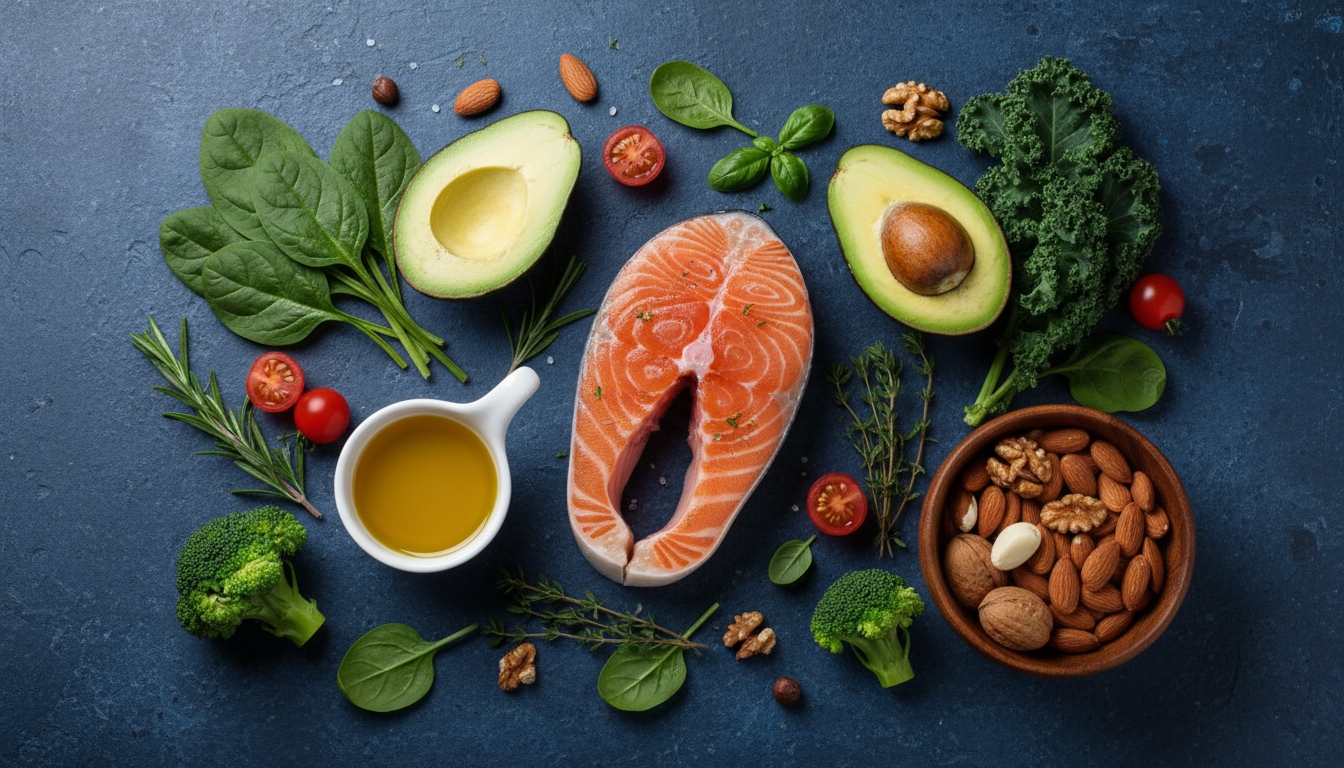
A ketogenic diet built on processed meat and bacon is very different from one built on vegetables, olive oil, avocados, nuts, seeds and fish. Red meat and high animal-protein intake carry their own growth signals, including IGF-1 and mTOR activation. Our book, The New Reality of Cancer, describes a plant-forward ketogenic approach, a sample day of eating, and how to combine it with metformin and other metabolic strategies.
Frequently Asked Questions
Does the ketogenic diet cure cancer?
No study shows that it cures cancer. A 2026 randomized trial in metastatic pancreatic cancer found longer survival when the diet was added to chemotherapy, and other studies show it is safe alongside treatment.
Is the ketogenic diet safe during chemotherapy?
In the trials, side effects of the diet were mostly mild, such as fatigue and constipation. Weight loss needs close watching, and some medicines, especially SGLT2 inhibitors, make it unsafe without adjustment.
Which cancers should avoid a ketogenic diet?
Laboratory evidence raises concern for BRAF V600E melanoma and for cancers that prefer fat as fuel, including some prostate cancers and some breast cancer metastases.
What is a good glucose ketone index for cancer?
Seyfried’s group has proposed values around 1 to 2 as therapeutic, but this target has not yet been tested in clinical trials.

About the author. Dr. Silver, MD, graduated from Temple University School of Medicine, trained as an interventional cardiologist, and has practiced medicine for nearly fifty years. A lymphoma survivor of about twenty-five years, he is co-author, with Dr. Lindmeier, DHSc, of The New Reality of Cancer: The Science of Recovery. Read more about Dr. Silver, MD.
Research by Dr. Lindmeier, DHSc, cancer educator and co-author of The New Reality of Cancer.
More articles on cancer metabolism and diet and all articles.
References
- Hopkins BD, Pauli C, Du X, et al. Suppression of insulin feedback enhances the efficacy of PI3K inhibitors. Nature. 2018;560(7719):499–503.
- Jameson GS, Roe DJ, Borazanci E, et al. A randomized phase II trial of gemcitabine, nab-paclitaxel, cisplatin with or without a medically supervised ketogenic diet for patients with metastatic pancreatic cancer. Cancer. 2026;e70343.
- Very low-carbohydrate ketogenic diet in treatment-naïve women with endometrial cancer and overweight: a randomized feasibility study. Nature Communications. 2026.
- Voss M, Wagner M, von Mettenheim N, et al. ERGO2: a prospective, randomized trial of calorie-restricted ketogenic diet and fasting in addition to reirradiation for malignant glioma. International Journal of Radiation Oncology, Biology, Physics. 2020;108(4):987–995.
- Survival outcomes of rectal and head and neck cancer patients receiving radio-(chemo)therapy with a ketogenic diet: results from a controlled clinical study (KETOCOMP). medRxiv preprint. July 2025.
- Xia S, Lin R, Jin L, et al. Prevention of dietary-fat-fueled ketogenesis attenuates BRAF V600E tumor growth. Cell Metabolism. 2017;25(2):358–373.
- Meidenbauer JJ, Mukherjee P, Seyfried TN. The glucose ketone index calculator: a simple tool to monitor therapeutic efficacy for metabolic management of brain cancer. Nutrition & Metabolism. 2015;12:12.
This article is for education only. It is not medical advice and does not diagnose or treat any condition. Cancer Expert MD has no financial relationship with any laboratory, drug maker, supplement company, clinic or hospital.
Responses
[…] lowers insulin and acts on the cancer cell’s energy production. See our articles on the ketogenic diet and cancer and metformin and […]
[…] outcomes, which is why metabolic approaches that lower insulin draw interest. See our articles on the ketogenic diet and […]
[…] Ketogenic diet. In a 2026 randomized trial, patients who followed a medically supervised ketogenic diet with chemotherapy had a median survival of 13.7 months, compared with 10.2 months. See the ketogenic diet and cancer. […]
[…] patients return to normal eating, with enough protein to protect muscle. See our article on the ketogenic diet and cancer and our article on integrative breast cancer […]